Published on May 7, 2024 - (Updated on April 26, 2026)
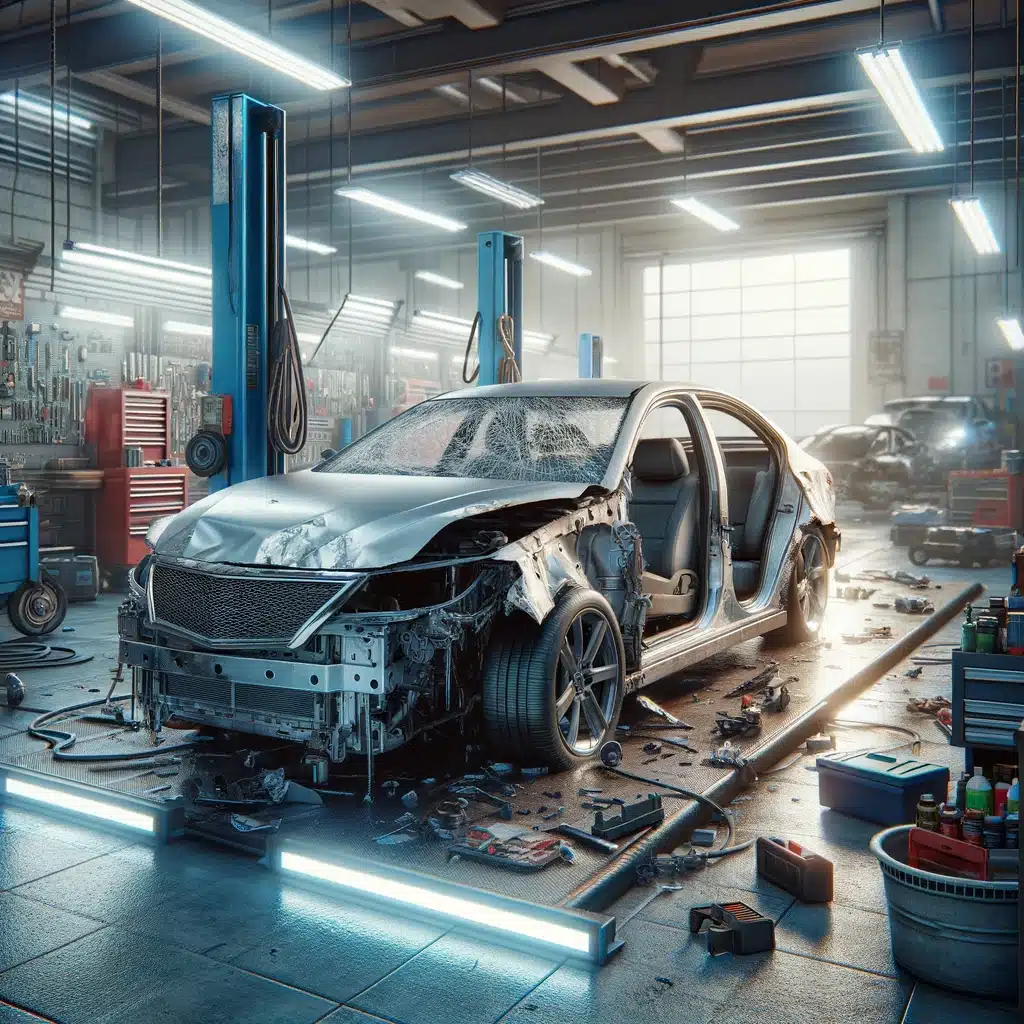
Automobile frame damage is not just a structural issue—it’s a safety concern that affects everything from vehicle integrity to performance and handling. Understanding how to analyze and address frame damage is vital for any car owner or automotive professional. This detailed guide explores the intricacies of automobile frame damage analysis, providing insights into the techniques and tools used by experts in the field.
Frame damage refers to any harm that compromises the structural integrity of a vehicle’s frame, which is crucial for maintaining the overall shape and strength of the vehicle. It often results from collisions but can also be caused by rust or poor maintenance.
The NAAA, National Auto Auction Association, defines structural damage as: “Damage to the structure or a specific structural component of the vehicle. • Often referred to as frame damage, although it also applies to Unibody and Unibody on Frame structures in addition to Conventional Frame.”
The frame acts as the backbone of a vehicle, supporting all major components and ensuring proper alignment of the body and wheels. Any damage to the frame can lead to serious safety risks and mechanical issues.
Frame damage can vary from minor dents and bends to severe twists and breaks. Understanding these types can help in effective diagnosis and repair.
Visual inspection is the first step in detecting frame damage. Experts look for asymmetry, unusual gaps, or misalignment of doors and windows as initial indicators of potential damage.
Modern workshops use computerized systems to achieve precise measurements that human eyes might miss. These systems can assess the frame’s condition and suggest the best repair methods.
A detailed look at a real-life example of frame damage assessment and repair, illustrating the changes and techniques involved.
Even basic tools like levels and measuring tapes can provide insights into frame integrity and help identify areas of concern.
More sophisticated tools, such as laser measuring systems and 3D scanners, allow for a more detailed and accurate analysis, which is critical for effective repairs.
Software solutions can help in modeling the frame’s original and damaged states, providing a clear pathway for repairs and ensuring that the frame returns to its pre-damage state.
The process of frame damage analysis follows a set of steps from initial assessment to detailed examination, each critical for determining the extent of damage and the feasibility of repair.
Professionals handling frame analysis are often certified by recognized automotive bodies, ensuring they follow industry standards in their assessments.
Frame analysis reports can be dense and technical. Knowing how to read these reports can help vehicle owners make informed decisions about repairs.
Frame damage can severely affect a vehicle’s handling and stability, making it unpredictable or unsafe to drive, especially at high speeds or in challenging conditions.
The safety implications of frame damage are severe, as the frame’s ability to protect occupants in a crash can be significantly diminished.
Ignoring frame damage can lead to long-term problems, such as increased wear and tear on other vehicle components and eventual mechanical failure.
Simple techniques that car owners can use to check for signs of frame damage, such as inspecting the vehicle’s symmetry and checking for uneven gaps between panels.
Common signs include uneven tire wear, difficulty in steering, and abnormal noises during driving that may indicate frame issues.
While some minor issues can be spotted at home, significant or uncertain signs of damage should always be evaluated by a professional to avoid risking further damage or safety issues.
Certain minor frame damages can be addressed through DIY methods, such as using kits for minor bends or dents, but these are limited in scope.
Understanding the limitations of home repairs is crucial; some damages require professional tools and expertise to ensure safety and effectiveness.
Preventive measures, such as regular maintenance and protective coatings, can help reduce the risk of frame damage.
Key considerations include the shop’s certification, the technicians’ experience with frame repairs, and the technology they use.
Questions that can help assess the technician’s ability and the shop’s suitability for your specific frame repair needs.
Methods to verify the quality of frame repairs include checking alignment post-repair and seeking a warranty on the work performed.
Understanding what your insurance covers in terms of frame damage is essential, as some policies might not cover certain types of damage or might require specific conditions for coverage.
Tips for navigating the insurance claims process, including how to document the damage and what to expect during the assessment.
There are potential legal implications, especially if driving with known frame damage leads to an accident. Knowing these can help motivate prompt and effective repairs.
Emerging technologies that are making automobile frame damage analysis more precise and repairs more effective and sustainable.
Innovations in frame design and materials that are making newer vehicles more resistant to frame damage.
Advancements in predictive maintenance technologies that can alert owners to potential frame issues before they become serious problems.
Real-world examples of complex frame repairs that showcase the techniques and technologies used in modern repair shops.
Insights from professionals who specialize in frame damage analysis and repair, offering a deeper understanding of the field and its challenges.
Important lessons from past incidents that can help vehicle owners and technicians prevent and better manage frame damage.
How can I tell if my car has frame damage?
What are the consequences of ignoring frame damage?
Is it cost-effective to repair frame damage?
How does frame damage affect a car’s resale value?
Can frame damage be completely fixed?
Automobile frame damage analysis is a complex field that requires expert knowledge and precise tools. Whether you are a vehicle owner looking to understand more about frame damage or an automotive professional aiming to enhance your skills, mastering the techniques of frame damage analysis is crucial for ensuring vehicle safety and performance. Emphasizing the importance of professional evaluation and proper repair techniques, this guide provides a comprehensive look at the processes and technologies that define modern frame damage analysis.
This detailed guide on Automobile Frame Damage Analysis should serve as a valuable resource for anyone involved in or affected by automobile frame damage, providing the knowledge needed to effectively address and resolve such issues, thereby ensuring vehicle safety and longevity.

Steven is the CEO of Test Drive Technologies based in St. Louis. When he's not busy inspecting and appraising vehicles, he spends time with his family.

Don't risk costly repairs or hidden damage. Know the truth before you buy with certified mobile vehicle inspections and appraisals. Inspecting commercial fleets, RVs, motorhomes, used, luxury and classic cars.
