Published on June 3, 2017 - (Updated on November 12, 2026)
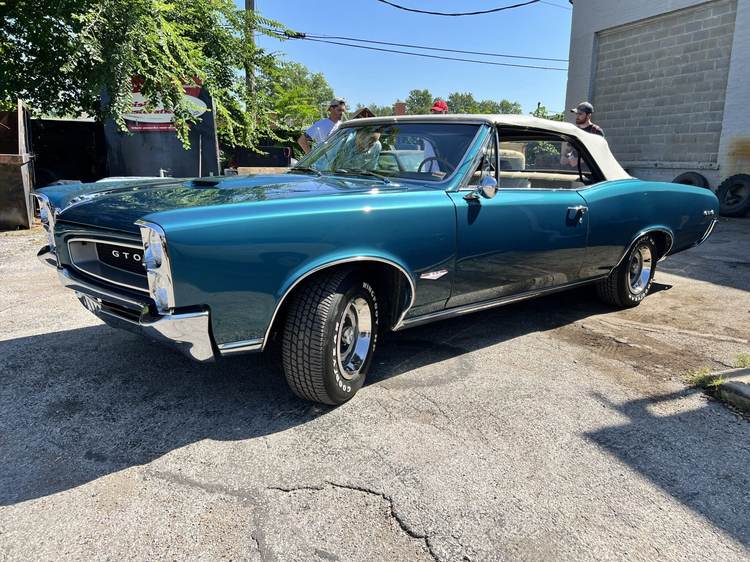
An appraisal should answer one clear question before it gives a number. Do you need to know what the vehicle might sell for?
Or do you need to know the cost of a similar vehicle today? Those questions can lead to different values.
Market value and replacement value are not the same. Each one serves a different need.

Market value shows what a vehicle might sell for in a normal deal. The buyer and seller both act freely.
IRS Publication 561 covers tax value for donated property, not vehicle appraisals. It still offers a useful explanation of fair market value.
The IRS describes the price that a willing buyer and seller agree on. Neither one has to act.
Both know the key facts.
A guide price is not enough for a sound market value. Test Drive Technologies’ page on fair market value appraisals says the work should use live market data, close sales, condition, miles, and options.
A sale is most useful when it closely matches the vehicle. The condition and features should be alike.
The sale should also be near the value date and come from a normal market. Large gaps in condition, age, or timing need to be weighed.
They can make a sale less useful.

Replacement value asks what a similar vehicle would cost today. It does not ask what this vehicle might sell for.
The other vehicle should be close in age, quality, and condition.
Test Drive Technologies explains that its replacement value appraisal includes a full damage check. Photos or an in-person inspection also confirm the vehicle’s identity.
The research uses sold vehicles and active listings. Both can support the replacement figure.
This appraisal can help with a total loss claim, fire damage, or another major loss. Those are the main uses shown on the Test Drive Technologies service page.

The right value depends on why the appraisal is needed. Age, condition, or vehicle type alone does not decide it.
Set the purpose before the appraisal begins. The report can then show what the buyer, owner, insurer, lender, or other reader needs.
Test Drive Technologies has completed more than 100 appraisals and 8,000 inspections. The work covers used, classic, exotic, commercial, RV, and specialty vehicles.
Steven Paul does the work himself. He brings more than 25 years of automotive and heavy-equipment experience.
That background helps him weigh condition, setup, repairs, records, market proof, and purpose. He does not rely on one guide price or seller claim.
Buyers and owners need value opinions for many reasons. These include a purchase, insurance claim, loan, estate, or ownership choice.
Test Drive Technologies can document fair market, replacement, or diminished value. Each report ties the result to condition, close market proof, and its stated use.
An asking price is only an offer. It shows what a seller hopes to receive.
It does not show a final price agreed to by both sides.
Sold vehicles and active listings can both help with replacement value. Active listings show what is on the market now.
Completed sales give the best proof of market value. A price that no one paid does not show what a buyer would spend.
Repair or restoration cost shows what was spent on the vehicle. It does not always show what the vehicle is worth now.
Cost alone does not establish market value.
Condition, buyer demand, and close sales help show a likely sale price. The amount invested does not decide it.
A pricing guide can be a useful starting point. It is not final proof.
A guide price is not an appraisal.
A vehicle may be worth less than a guide figure due to body damage, high miles, or heavy wear. A guide works best when its listed vehicle matches the make, model, year, area, condition, and equipment.
The vehicle’s own condition still matters. Close market proof does too.
When few similar vehicles exist, the appraiser checks how well the sales and listings match. Condition, features, and timing are each weighed.
The report explains the reasoning. It also notes where proof is thin.
The conclusion should not claim more certainty than the proof supports.
An older sale can still help. Its weight depends on how much the market has moved since then.
An older sale usually carries less weight than a recent one. This is especially true after the market has changed.

Steven is the CEO of Test Drive Technologies based in St. Louis. When he's not busy inspecting and appraising vehicles, he spends time with his family.

Don't risk costly repairs or hidden damage. Know the truth before you buy with certified mobile vehicle inspections and appraisals. Inspecting commercial fleets, RVs, motorhomes, used, luxury and classic cars.
